Covid poses "greatest threat to mental health since the second world war." Learn more about how we're supporting people during this challenging time.
Covid poses "greatest threat to mental health since the second world war." Learn more about how we're supporting people during this challenging time.
Depression & anxiety group therapy beginning 9th May (morning and evening sessions available). Click here for more information.


Many people speak of feeling emotionally numb at times, as if they are shut off from their own feelings or disconnected from emotions. It can be confusing to live with a sense of “not feeling anything emotionally” when you expect to be able to react to life’s ups and downs. This page explores what it can feel like and why it might happen, with a focus on helping you feel seen and understood.
Calm, non-judgemental space
In-person and online sessions
Professional, accredited counsellors
Flexible appointment options
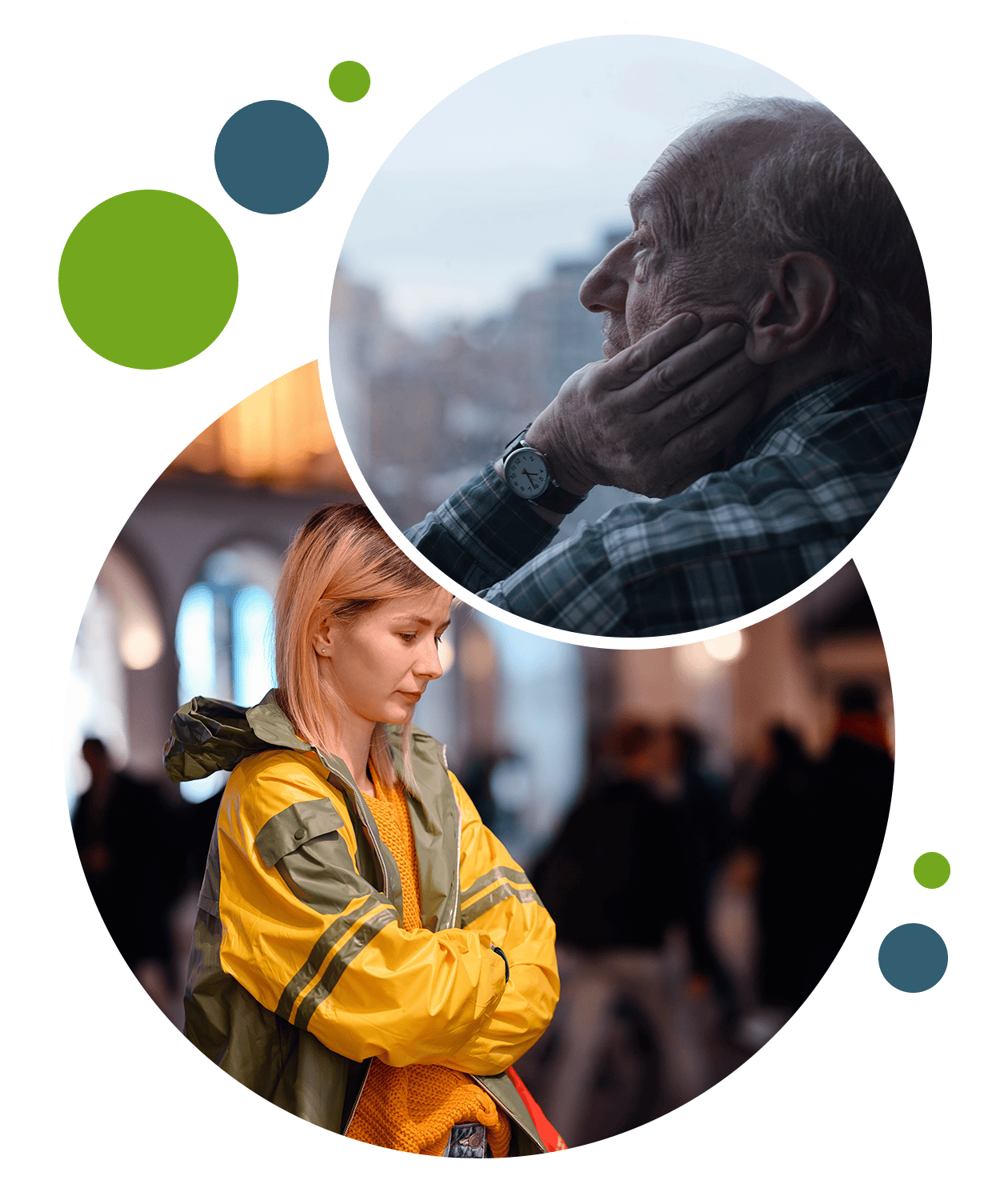
Emotional numbness often develops gradually rather than appearing overnight. It can build when life has felt demanding, overwhelming, or emotionally draining for a long time.
For many people, this disconnection becomes a way of getting through when feelings feel too intense or difficult to hold. It may have started as a coping response rather than a conscious choice.
The effects of emotional numbness on daily life can reach into many areas. It often shapes how you relate to yourself, others, and everyday responsibilities. They can be subtle at first, then become more noticeable over time. Over time, this disconnection can feel tiring or isolating, especially when others expect emotional responses you cannot access.
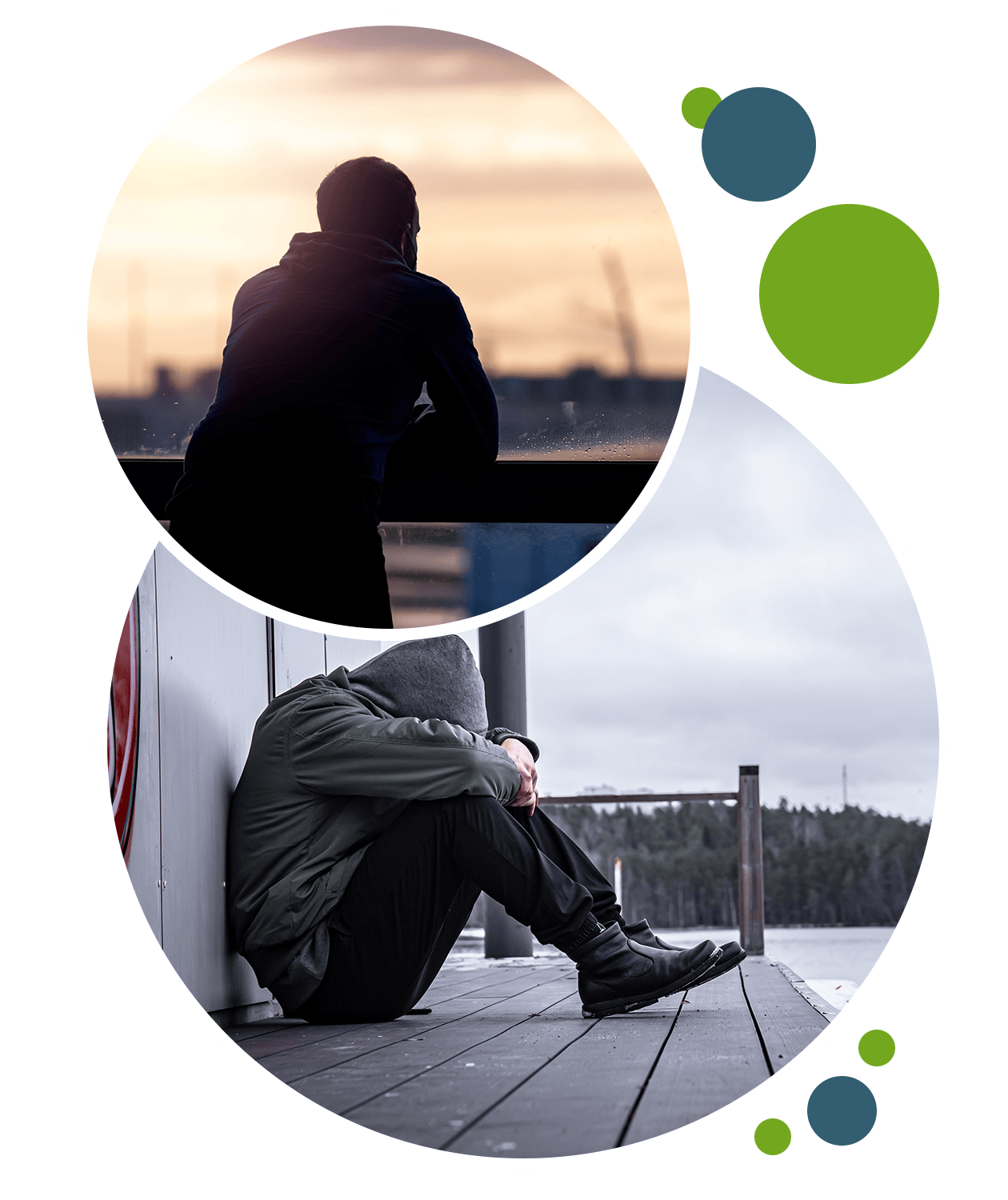
UK mental health organisations and trauma-informed research describe emotional numbness as a common response when a person has been under emotional, psychological, or relational strain for a long period. Rather than emotions disappearing, research suggests that the nervous system can reduce emotional intensity as a way of coping when feelings feel overwhelming, unsafe, or unmanageable. This response is often automatic rather than chosen, and it can help a person continue functioning during difficult times.
Guidance from the NHS, Mind, and trauma-focused charities explains that emotional numbness is frequently linked with experiences such as ongoing stress, loss, difficult relationships, burnout, or traumatic events. Research highlights that when someone has had to stay alert, strong, or emotionally contained for a long time, their emotional range may narrow. This narrowing can feel like disconnection, emptiness, or being emotionally shut down, even though feelings are still present beneath the surface.
Further research-informed guidance emphasises that emotional numbness is rarely permanent. Many people experience gradual reconnection with their emotions when external pressures reduce and when they feel safer, supported, and less judged. This process is usually slow and gentle. Forcing emotions to return or expecting sudden change is often unhelpful. Instead, emotional awareness tends to rebuild through steady support, understanding relationships, and learning to notice small emotional or physical signals again.

Many people describe support as a place where numbness can be gently explored rather than forced away. Having space to talk without pressure can help you understand what your emotional disconnection might be protecting you from.
Over time, some people notice small shifts. These might include feeling more present, recognising emotions gradually, or feeling less alone with what they are experiencing.
It can help to pause and gently reflect on your own experience, without expecting immediate answers. There is no right or wrong way to respond to these questions. You might find it helpful to sit with one or two that feel most relevant.
Feeling emotionally numb can be deeply unsettling, but it is a human response that many people experience at different points in life. It often develops in response to stress, emotional overload, or times when you have had to keep going despite feeling overwhelmed.
This numbness may once have helped you cope when things felt too much. With understanding, patience, and the right support, many people find that emotional connection can return gradually. You do not have to rush this process, and you do not have to face it on your own.

If you would like to continue exploring, you may find the following helpful. There is no obligation to decide anything now. Many people take time to read, reflect, and return when they feel ready.