Covid poses "greatest threat to mental health since the second world war." Learn more about how we're supporting people during this challenging time.
Covid poses "greatest threat to mental health since the second world war." Learn more about how we're supporting people during this challenging time.
Depression & anxiety group therapy beginning 9th May (morning and evening sessions available). Click here for more information.


Feeling overwhelmed is something many people experience at different points in life. It often shows up when there feels like too much to manage at once, even if each part on its own might usually feel manageable.
You may not be able to point to one clear cause. Instead, it can feel like a gradual sense of pressure building, leaving you unsure where to start or how to find some breathing space.
Calm, non-judgemental space
In-person and online sessions
Professional, accredited counsellors
Flexible appointment options
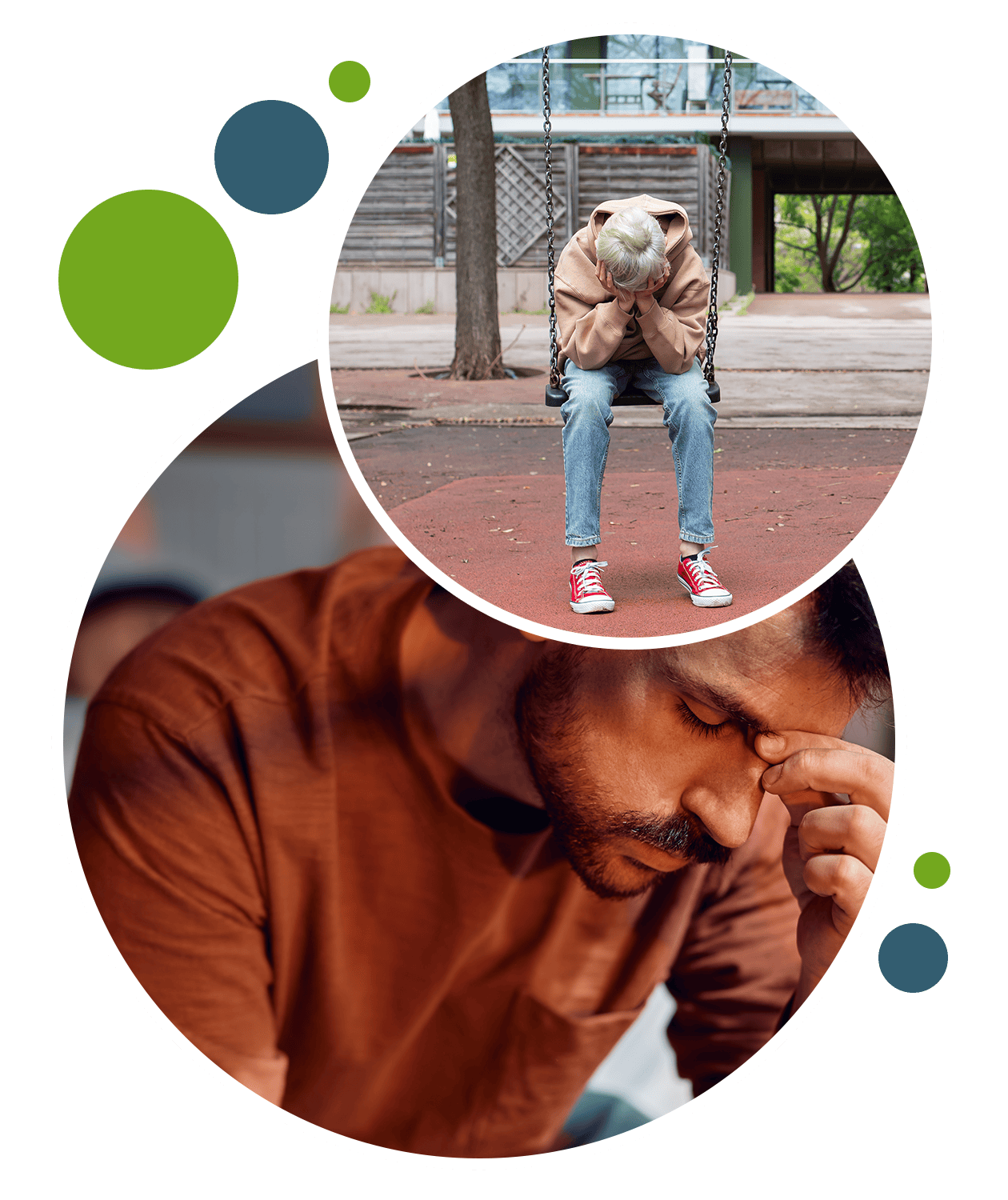
For some people, feeling overwhelmed develops slowly. Responsibilities, worries, or expectations can quietly add up until the load starts to feel unmanageable.
This can happen even when you are coping outwardly. You might be getting through the days, but internally feeling increasingly stretched or depleted.
The effects of feeling overwhelmed on daily life can show up in small but persistent ways. Over time, this can make even ordinary routines feel harder than they used to.
You might notice changes in your energy, focus, or motivation. Relationships and personal time can also be affected when there is little space left for yourself.

UK mental health organisations describe feeling overwhelmed as a common experience when life demands exceed the emotional or practical resources available at the time. It is often linked to periods of change, pressure, or uncertainty, rather than to any personal failing.
Mind explains that feeling overwhelmed can happen when worries, responsibilities, or expectations build up without enough opportunity to pause or feel supported. People may continue managing daily life on the outside while internally feeling stretched, overloaded, or close to their limit.
The NHS, through its Every Mind Matters guidance, recognises feeling overwhelmed as part of everyday mental wellbeing challenges. It notes that when this feeling persists, it can affect concentration, motivation, sleep, and emotional balance, even if there is no single obvious cause.
Research-informed guidance consistently highlights the importance of recognising overwhelm early and responding with compassion. Making space to talk, easing expectations, and finding small ways to reduce pressure are all described as helpful steps that can support people in feeling more grounded over time.

Many people describe feeling some relief when they have space to talk openly about what feels too much. Being listened to without judgment can make the load feel less heavy.
Support can also help you notice patterns, limits, and needs that may have been overlooked. Over time, this can make everyday life feel more manageable.
You might find it helpful to pause for a moment and gently reflect on your own experience. There are no right or wrong answers here. Simply noticing what resonates can be a first step towards change, without needing to rush into action.
Feeling overwhelmed can be isolating, especially when it seems like others are coping more easily. Many people carry these feelings quietly, even if they do not show on the outside.
It can help to remember that overwhelm is not a personal failing. It is often a sign that you have been trying to manage a great deal for a long time.
You deserve understanding, space, and support in whatever way feels right for you, at your own pace.

If you would like to continue exploring, you may find the following helpful. There is no obligation to decide anything now. Many people take time to read, reflect, and return when they feel ready.