Covid poses "greatest threat to mental health since the second world war." Learn more about how we're supporting people during this challenging time.
Covid poses "greatest threat to mental health since the second world war." Learn more about how we're supporting people during this challenging time.
Depression & anxiety group therapy beginning 9th May (morning and evening sessions available). Click here for more information.


Anxiety is something many people experience at different points in their lives. This page is here to gently explore what anxiety can feel like and what coping with anxiety may look like in everyday life. You do not need to label or define your experience for it to matter.
Calm, non-judgemental space
In-person and online sessions
Professional, accredited counsellors
Flexible appointment options
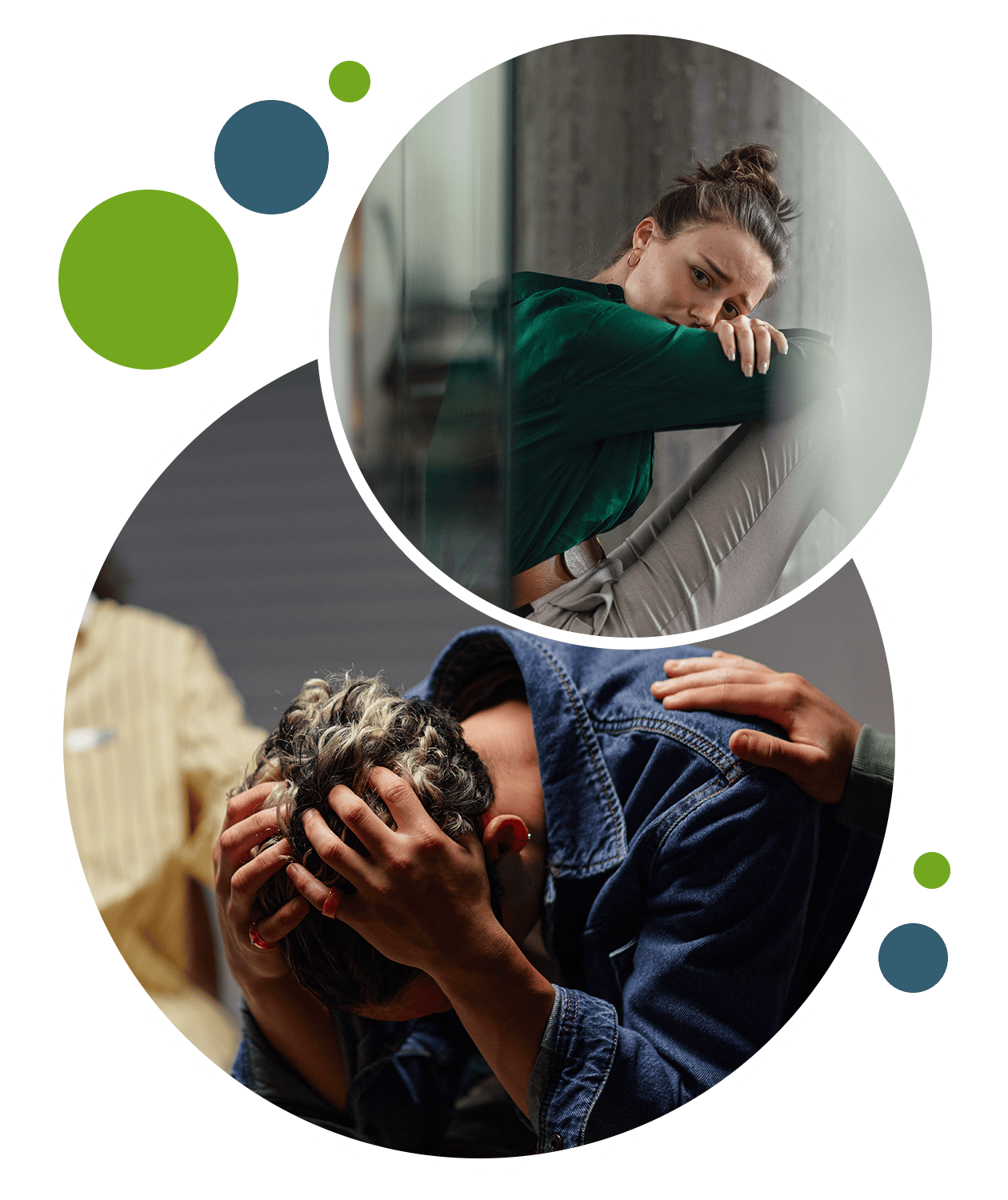
Anxiety often has a way of shaping how you see the world and yourself. It can feel as though your mind is always scanning for what might go wrong, even when part of you knows you are safe. This can be tiring and confusing, especially if you cannot pinpoint a clear reason for feeling this way.
Many people describe anxiety as a constant background noise rather than a single problem to solve. It may show up as self-doubt, tension, or a sense of responsibility to keep everything under control. Over time, this can lead to being hard on yourself for feeling anxious at all.
Living with anxiety can quietly shape your days in ways that are not always obvious to others. You might be keeping up with work, family, or responsibilities, yet feel worn down by how much effort it takes to get through ordinary moments. Even small decisions or changes can feel heavier than they used to.
The effects of coping with anxiety on daily life often show up as tiredness, difficulty concentrating, or pulling back from situations that feel demanding. Over time, this can affect enjoyment, confidence, and relationships, not because you are doing anything wrong, but because carrying constant worry takes energy.
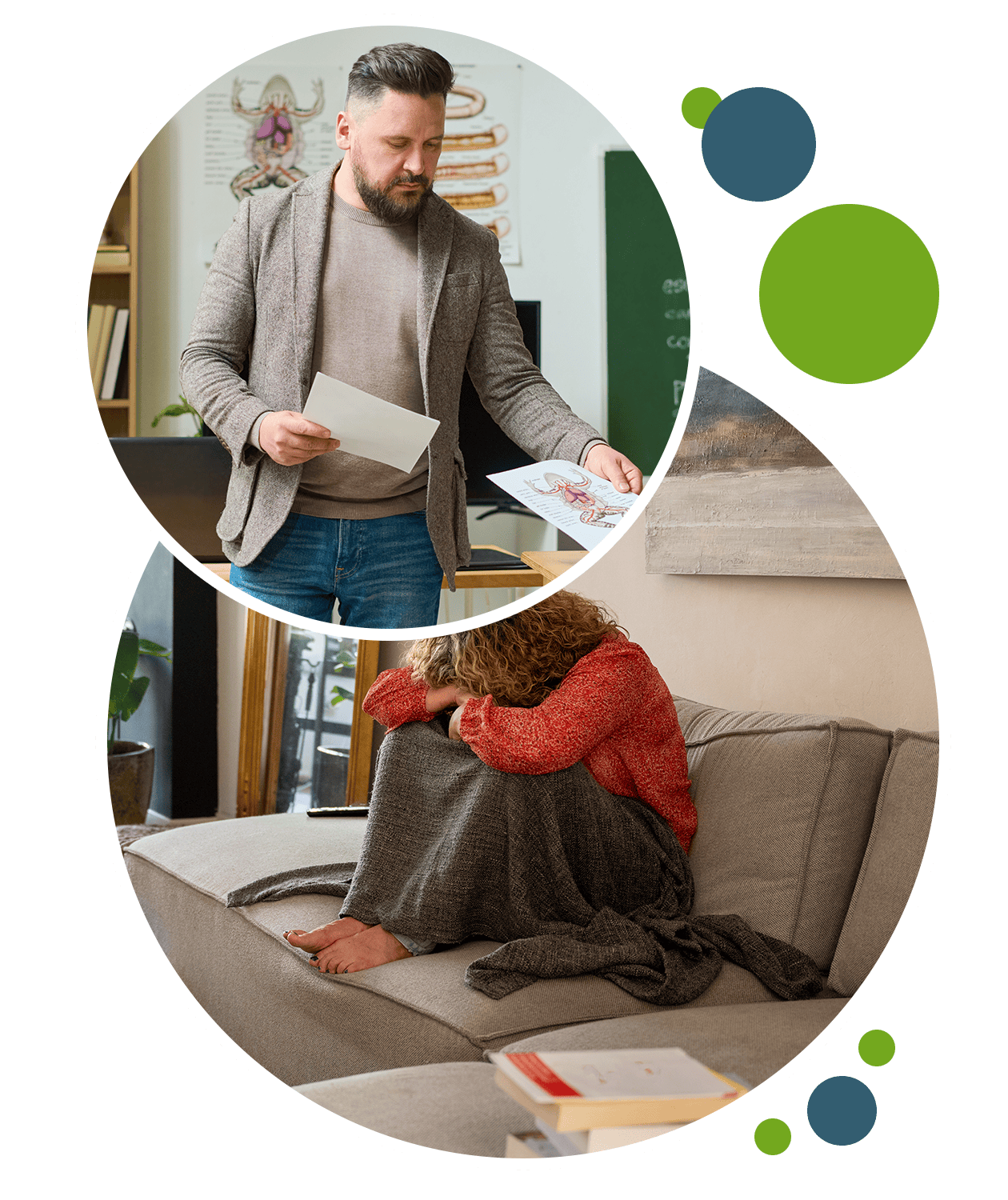
From a psychological perspective, anxiety is often linked to how we interpret situations rather than the situations themselves. The brain learns patterns over time. If you have experienced prolonged stress, unpredictability, responsibility, or emotional pressure, your nervous system may have learned to stay vigilant as a form of protection. Over time, this can feel exhausting and confusing, especially when you cannot identify a clear cause.
Research shows that anxiety is closely connected to the body, not just the mind. Breathing patterns, muscle tension, digestion, and fatigue all influence how anxious we feel. This is why anxiety can show up as physical symptoms such as chest tightness, nausea, dizziness, headaches, or a sense of being unable to relax. These sensations are real, and they are a recognised part of the anxiety response.
Anxiety exists on a spectrum. Many people experience anxiety while continuing to function at work, in relationships, and in daily life. High-functioning anxiety can be especially difficult to recognise because outwardly things may appear fine, while internally you feel under constant pressure. Research highlights that people in caring roles, leadership positions, or those who place high expectations on themselves are particularly prone to this pattern.

For many people, support offers a space where anxiety does not have to be managed alone. It can feel like having somewhere to pause, speak openly, and begin to understand patterns that may have been quietly shaping your life. Support is not about fixing you, but about helping things feel less overwhelming.
Over time, some people notice that their anxiety feels less all-consuming. They may feel more able to respond to worries with kindness, rather than getting caught in them, and more grounded in everyday situations, even when challenges remain.
It can sometimes help to slow down and gently notice what is happening for you. Reflection is not about finding answers straight away, but about creating a little space to listen to yourself without judgment.
You might choose to consider what feels hardest right now, what you wish others understood about your experience, or what kind of support might feel manageable. Even small moments of reflection can help you feel more connected to yourself.
Anxiety often creates a sense of being separate from others, as though you are the only one struggling in this way. Many people carry these feelings quietly, believing they should be coping better or that their worries are not valid enough to share.
In truth, anxiety is a common human experience, and needing understanding or support does not mean you are weak. Your experience matters, and some people will take it seriously, at a pace that respects where you are right now.

If you would like to continue exploring, you may find the following helpful. There is no obligation to decide anything now. Many people take time to read, reflect, and return when they feel ready.