Covid poses "greatest threat to mental health since the second world war." Learn more about how we're supporting people during this challenging time.
Covid poses "greatest threat to mental health since the second world war." Learn more about how we're supporting people during this challenging time.
Depression & anxiety group therapy beginning 9th May (morning and evening sessions available). Click here for more information.


Stress does not always come from one clear event. It often builds gradually, shaped by responsibilities, expectations, and the need to keep going.
This page explores what it can feel like when stress becomes too much, how it can affect everyday life, and how support can help, in a calm and non-judgemental way.
Calm, non-judgemental space
In-person and online sessions
Professional, accredited counsellors
Flexible appointment options
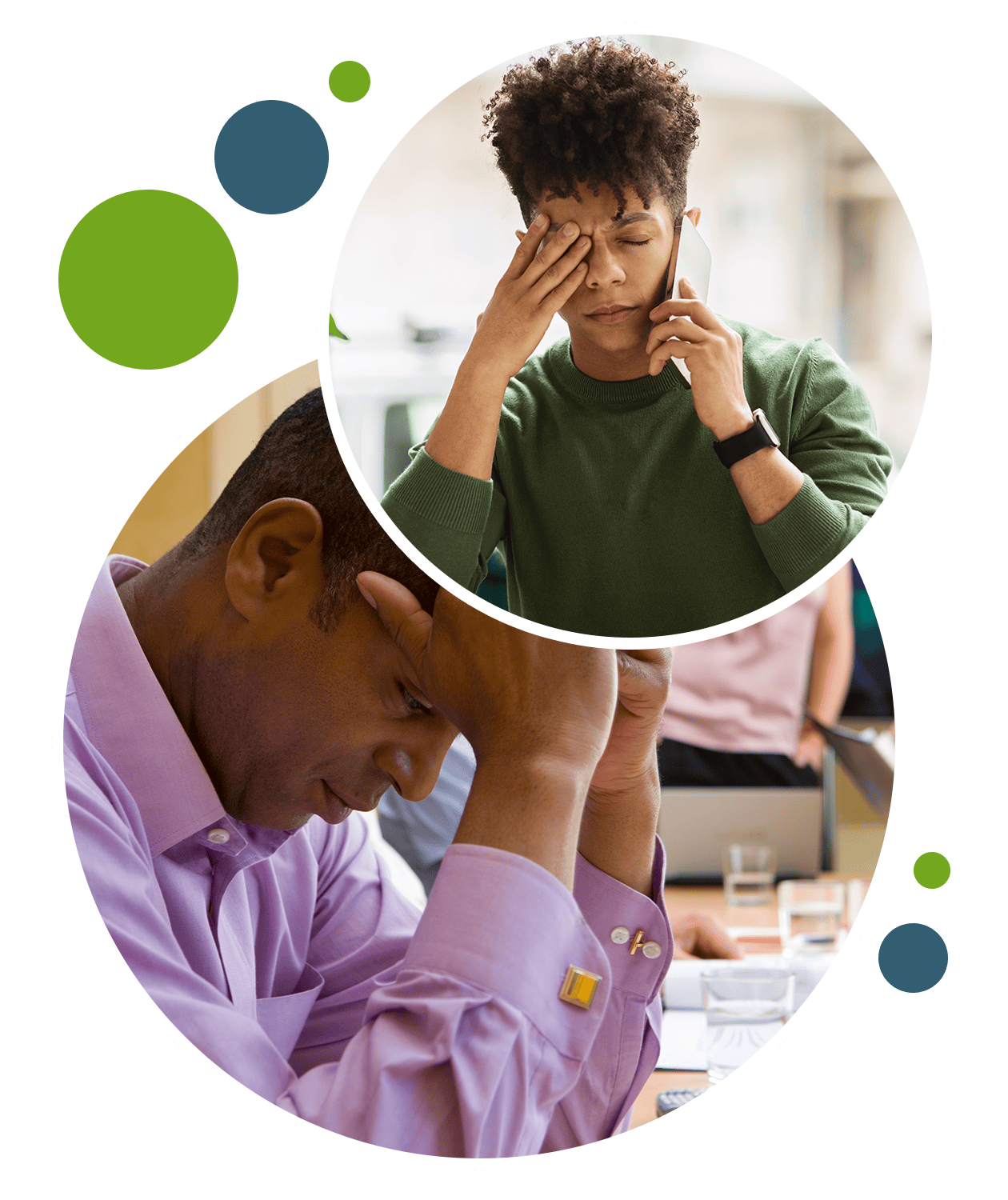
Stress is part of everyday life. It can help us respond to challenges, stay focused, and manage demands. But stress is not meant to be constant.
When stress continues without enough space to rest, reflect, or recover, it can begin to feel heavier and harder to carry. Often, this happens gradually rather than all at once.
Noticing this does not mean something is wrong with you. It often means you have been coping for a long time.
For many people, stress does not arrive as a single breaking point. It tends to build alongside work pressures, family responsibilities, health concerns, or ongoing uncertainty.
You may still be functioning, meeting expectations, and doing what needs to be done, while feeling increasingly worn down underneath. This can make stress harder to recognise and easier to dismiss.

Research consistently shows that prolonged stress affects more than how we feel in the moment. When stress continues without enough recovery time, it can impact both mental and physical well-being.
Guidance from the NHS explains that ongoing stress is linked to difficulties with sleep, concentration, mood, and emotional regulation. People may feel mentally tired, more reactive, or less able to cope with everyday demands, even if nothing specific has changed.
Mental health charities such as Mind also highlight that chronic stress can leave people feeling overwhelmed, emotionally stretched, or disconnected over time. Importantly, this does not mean something is wrong with you. It reflects how the nervous system responds when it has been under sustained pressure.

For many people, having support does not mean their life suddenly changes or that stress disappears. Instead, it can begin with small but meaningful shifts that make everyday life feel more manageable.
Over time, this can lead to a greater sense of balance, self-understanding, and emotional resilience. For some, it becomes easier to sleep, focus, or feel present. For others, it helps them feel more like themselves again.
You may find it helpful to pause and reflect on a few questions. If they resonate, you do not need to decide anything immediately. For many people, noticing and naming what is happening brings clarity about what might be helpful next.
You are welcome to take time with these thoughts, talk them through with someone you trust, or explore further support when it feels right for you.
Experiencing stress that feels like too much is not a sign of weakness, failure, or inability to cope. It is often a natural response to carrying a lot for a long time.
Many people reach this point quietly, while continuing to meet expectations and support others. Noticing that stress has begun to take a toll does not mean you are doing something wrong. It often means you have been doing your best under sustained pressure.
You do not need to have everything figured out to acknowledge that something needs care or attention.

If you would like to continue exploring, you may find the following helpful. There is no obligation to decide anything now. Many people take time to read, reflect, and return when they feel ready.